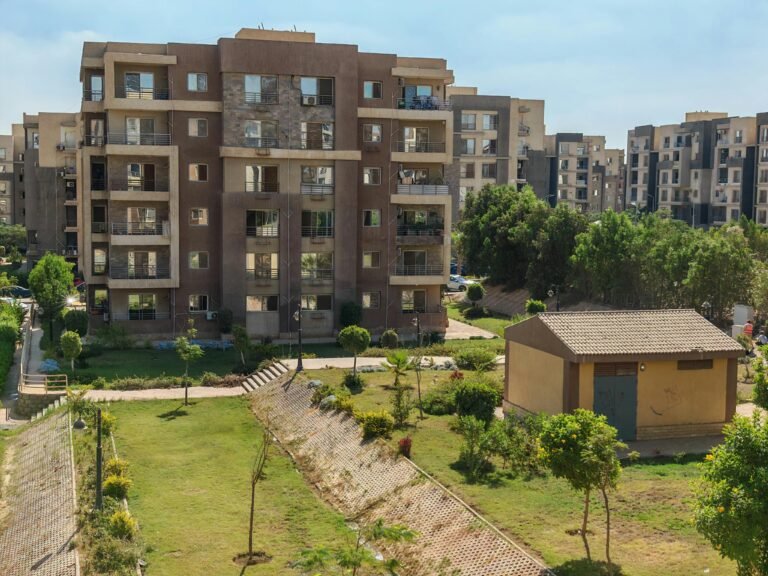










In April 2026, generating passive income through real estate has evolved beyond the traditional “buy and manage” model. While direct ownership remains a staple, the rise of fractional platforms, turnkey services, and specialized REITs has made it possible to earn rental income with significantly less capital and zero “landlord stress.”
Here are the most effective strategies for 2026, ranked from most hands-off to most involved.
1. Indirect Passive Investing (Maximum “Set-and-Forget”)
These methods are ideal for those who want exposure to real estate without ever seeing a tenant or a toolbelt.
- Publicly Traded REITs: In 2026, specialized REITs focusing on Data Centers and AI Infrastructure are top performers. You buy shares on a stock exchange like a normal stock, and by law, they must pay out 90% of taxable income as dividends.
- Real Estate Crowdfunding: Platforms like Fundrise or Arrived pool money from thousands of investors to buy large-scale apartment complexes or single-family rentals. You receive quarterly distributions without any management duties.
- Fractional Ownership: A 2026 favorite for Gen Z and Millennials. Platforms like Realbricks allow you to buy “shares” in a specific property for as little as $100. You own a percentage of the equity and collect a proportional share of the rent.
2. Semi-Passive Ownership (The “Hands-Off” Landlord)
If you want to own the physical asset (the deed) but don’t want to handle the 2 a.m. phone calls, these strategies are the standard for 2026.
- Turnkey Rental Properties: You buy a property from a provider (like MartelTurnkey or Norada) that has already been renovated and tenant-placed. These often come with a built-in property management team.
- 2026 Pro Tip: Look for “Workforce Housing” in secondary markets; they offer more stable cash flow in 2026 than luxury units.
- Full-Service Property Management: You find the deal, but a professional company handles the rest. In 2026, many managers use AI-tenant screening and IoT leak sensors to keep costs low and vacancy rates near zero.
📊 2026 Passive Income Comparison
| Strategy | Entry Cost | Expected Return | Management Effort |
| REITs | $10+ | 4% – 7% | Zero |
| Crowdfunding | $100 – $5,000 | 7% – 12% | Zero |
| Turnkey Rentals | $40k – $100k+ | 8% – 15% | Very Low |
| Direct (Self-Managed) | $50k – $150k+ | 12% – 20%+ | High |
3. Emerging 2026 Strategies
- The “Energy Yield” Flip: With 2026’s strict energy mandates, investors are buying older, inefficient “Class C” buildings, installing heat pumps and solar arrays, and reaping the “passive” rewards of higher rents and lower utility bills.
- Storage & Industrial Niche: Passive income isn’t just about houses. Self-storage units and small “e-commerce-centric” industrial bays are seeing high demand in 2026 with lower maintenance costs than residential units.
⚖️ The 2026 “Passive” Reality Check
Even “passive” real estate requires upfront effort.
- Due Diligence: You must vet the platform or turnkey provider.
- Market Analysis: In 2026, location still matters. Even a hands-off investment in a declining city will lose value.
- Tax Planning: Passive income is often taxed differently. Consult with a professional about Depreciation and 1031 Exchanges to keep more of your profit.