









In April 2026, real estate remains one of the most reliable paths to wealth, but the “how-to” has changed. With the rise of hybrid work and higher interest rates compared to the early 2020s, the focus for beginners has shifted from rapid appreciation to long-term affordability and high-utility assets.
Here are the most effective strategies for starting your portfolio today, ranked from passive to active.
1. Passive: REITs and Crowdfunding (Low Capital)
These are the easiest entry points, allowing you to invest in property without ever picking up a hammer or screening a tenant.
- REITs (Real Estate Investment Trusts): Traded like stocks, these companies own vast portfolios (data centers, medical buildings, apartments). They are required by law to pay out 90% of taxable income as dividends. In 2026, look for REITs specializing in logistics and 5G infrastructure, which are currently outperforming residential sectors.
- Crowdfunding Platforms: Sites like Fundrise or Arrived allow you to pool money with others to buy specific rental properties or commercial developments for as little as $100. This gives you more choice than a REIT but less liquidity (your money is typically locked for 3–5 years).
2. Active: “House Hacking” (The 2026 Efficiency Strategy)
House hacking remains the gold standard for beginners because it uses your primary residence to build equity.
- The ADU Pivot: In 2026, many cities have loosened zoning laws for Accessory Dwelling Units (ADUs). Building a “tiny home” or converting a garage into a rental unit is now a primary way to offset high mortgage rates.
- The “Luxury” Roommate: Instead of random roommates, 2026 house hackers are targeting “niche” tenants—like travel nurses or digital nomads—who pay a premium for high-speed internet and quiet, dedicated workspaces.
3. Emerging: “Build-to-Rent” (BTR) Communities
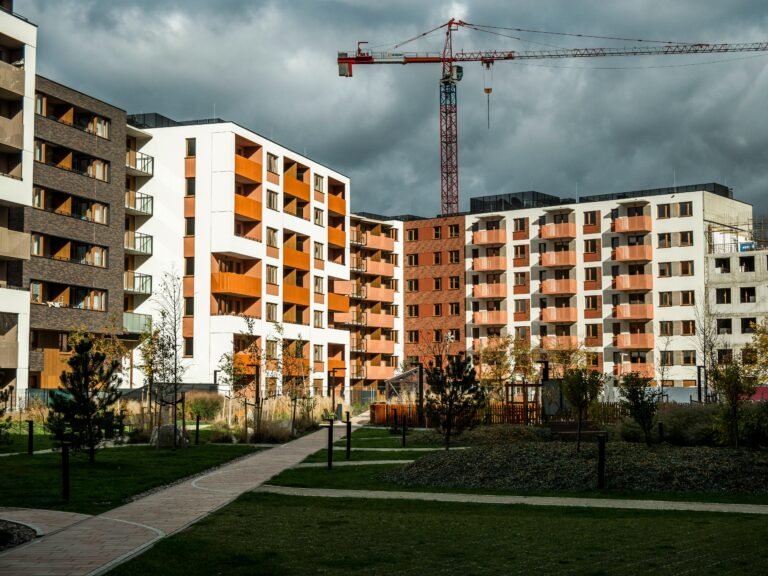
If you have more capital ($50k+), look toward BTR. In 2026, many developers are creating entire neighborhoods specifically for long-term renters.
- Why it works: These homes are designed for durability and low maintenance. Investing in a single-family unit within a BTR community provides the benefits of a rental property with the professional management of an apartment complex.
📊 Strategy Comparison: Which Fits Your 2026 Lifestyle?
| Strategy | Effort Level | Min. Capital | 2026 Outlook |
| REITs | Zero | $10 – $100 | Stable / Liquid |
| Crowdfunding | Low | $100 – $1,000 | Moderate Growth |
| House Hacking | High | 3% – 5% Down | Maximum ROI |
| BTR Rentals | Medium | 10% – 20% Down | High Demand |
💡 3 Golden Rules for the 2026 Beginner
- Follow Infrastructure, Not Just Hype: The best appreciation this year is happening in “Second-Tier” cities (like Boise, Charlotte, or Islamabad’s newer sectors) that are seeing massive metro and expressway expansions.
- The “Sustainability Premium”: Homes with solar panels, EV chargers, or LEED certification are seeing lower vacancy rates and higher resale values as energy costs remain a top concern for tenants.
- Use PropTech: Use AI-powered tools to analyze local “comps” (comparable sales). Don’t buy based on a gut feeling; in 2026, data-driven decisions win.
Note: If you are buying a physical property, aim for a “Net Positive” cash flow after factoring in a 10% buffer for maintenance and 5% for vacancies.