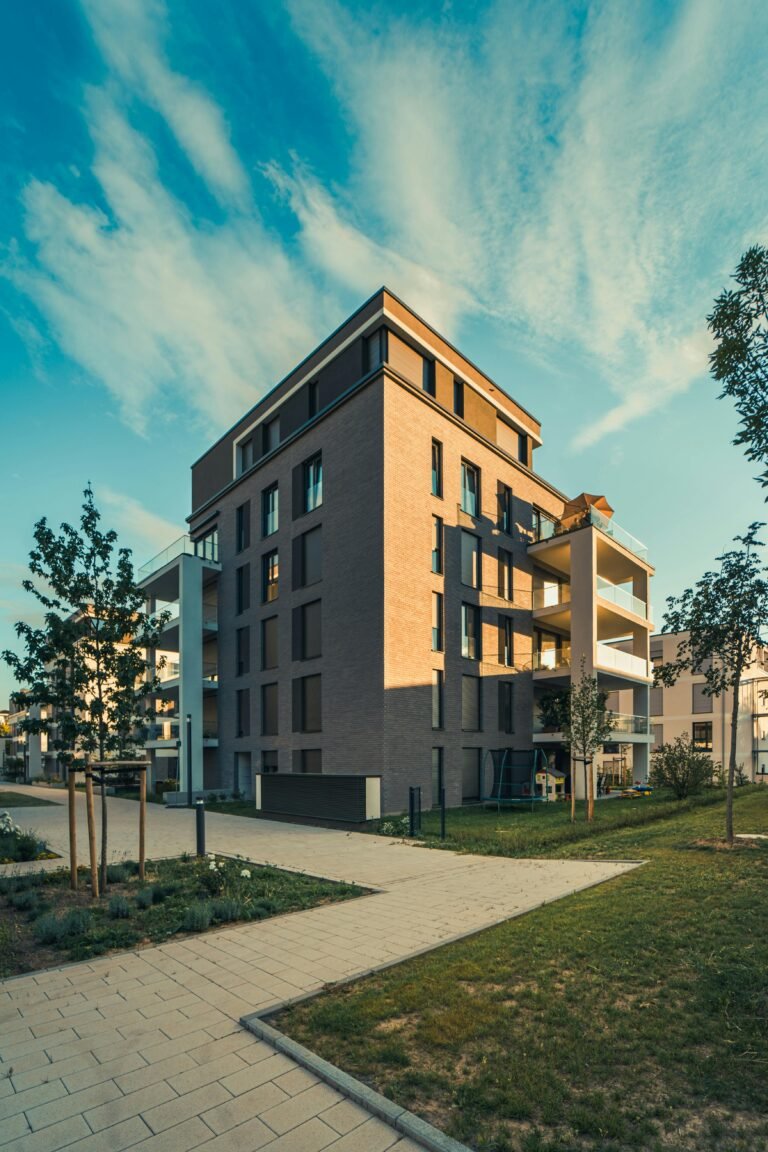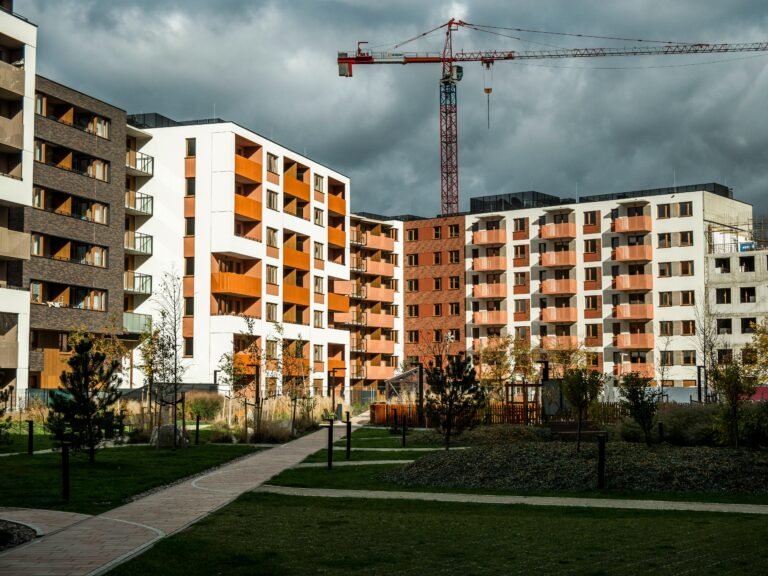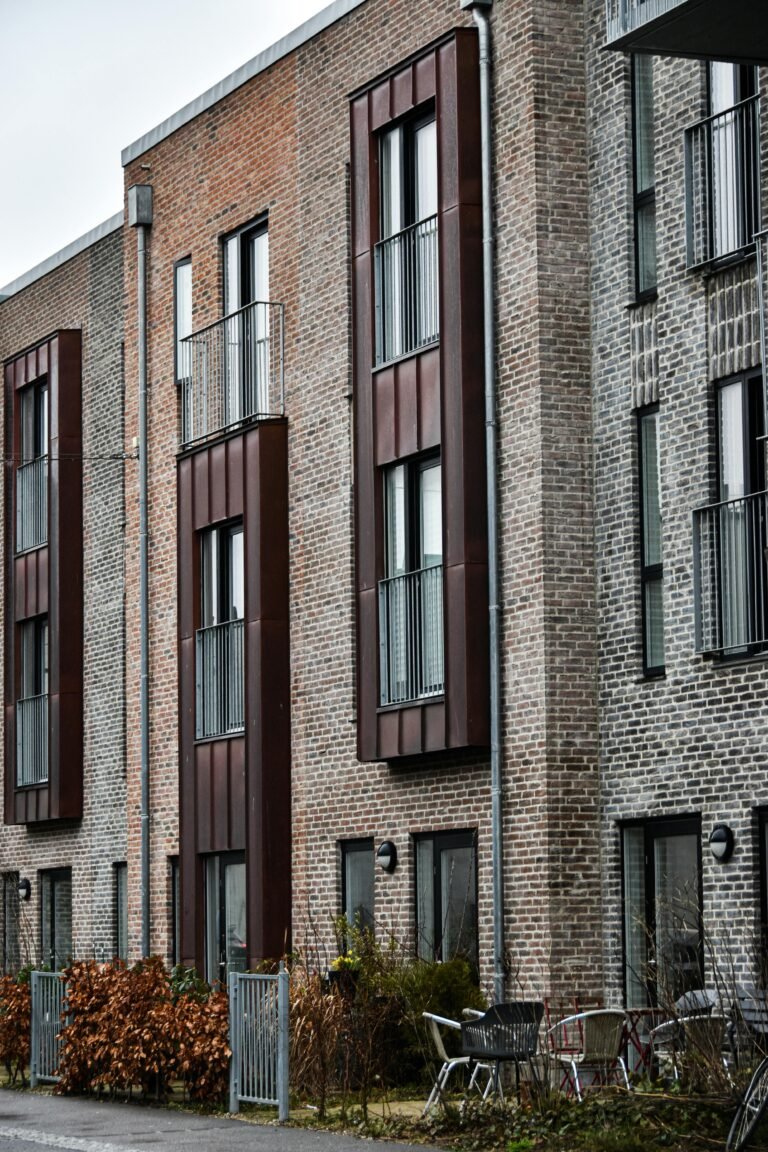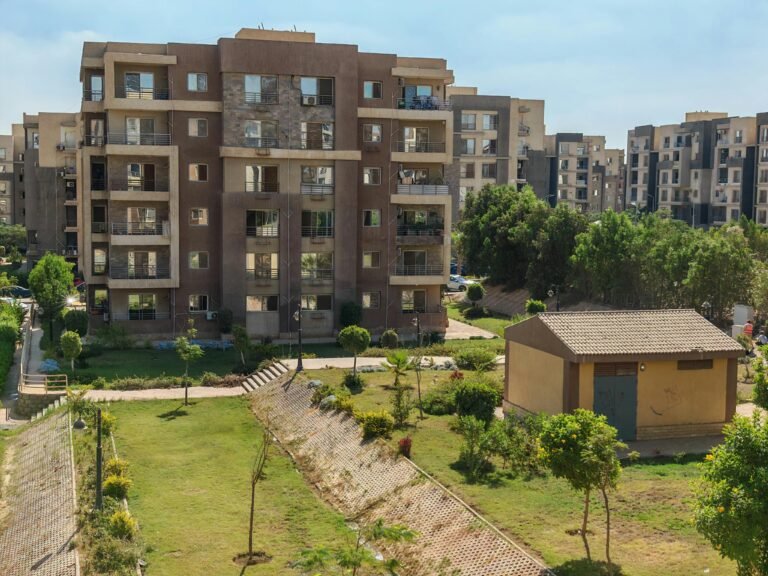





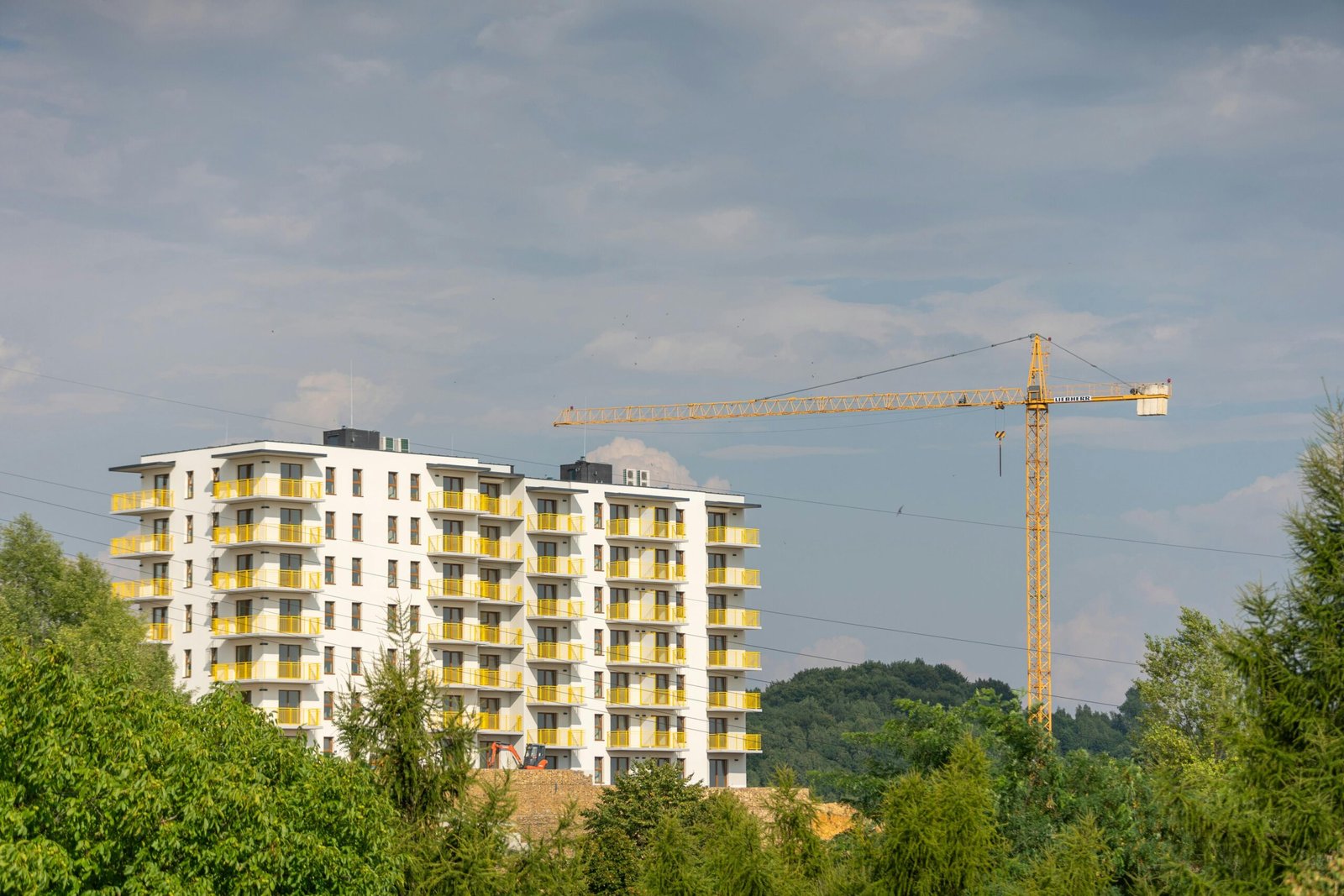
In April 2026, the distinction between residential and commercial real estate has become even sharper due to new regulations on energy efficiency and the rise of hybrid work models. While residential properties are essentially shelter, commercial properties are income engines.
Understanding these differences is crucial for determining where your capital and time are best spent.
🗝️ Core Strategic Differences
| Feature | Residential Real Estate | Commercial Real Estate |
| Primary Purpose | Personal living space (housing). | Business operations & income generation. |
| Lease Term | Typically 12 months. | Typically 3 to 10 years. |
| Rental Yield | Lower (2% – 5% average). | Higher (6% – 10% average). |
| Financing | High accessibility (low down payments). | Strict requirements (20% – 40% down). |
| Valuation | Based on “Comps” (recent nearby sales). | Based on NOI & Capitalization Rates. |
🏗️ 1. Income & Lease Dynamics
The way you make money differs fundamentally between the two.
- Lease Stability: Commercial leases are significantly longer. In 2026, many corporate tenants seek 5-year “flex-term” leases, providing long-term cash flow security. Residential leases turnover almost annually, leading to higher marketing and “make-ready” costs.
- Net Leases: In many commercial deals (like “Triple Net” or NNN leases), the tenant pays for property taxes, insurance, and maintenance. In residential real estate, these expenses almost always fall on you, the landlord.
⚖️ 2. Regulatory & Legal Landscape
- Consumer Protection: Residential tenants have extensive legal protections (eviction moratoria, habitability standards) because they are viewed as individuals needing shelter.
- Business Contracts: Commercial tenants are viewed as sophisticated business entities. There are fewer “standard” protections, meaning the lease language is everything. If it’s not in the contract, it doesn’t exist.
- 2026 Energy Standards: As of this year, commercial buildings face stricter “Carbon Penalties” for inefficient HVAC systems, whereas residential homes are currently seeing more “Incentive-based” green upgrades.
📈 3. Management Complexity
- Residential: Often involves emotional management. You are dealing with someone’s home, which can mean late-night calls for broken water heaters or noise complaints. It is easier to “self-manage” if you have the time.
- Commercial: This is a professional relationship. Maintenance is usually handled by third-party facilities managers. However, when a commercial property goes vacant, it can stay empty for 6–12 months while you search for the right business fit, compared to the weeks or days it takes to fill an apartment.